PTSD

- Barbara Bradford
Post-Traumatic Stress Disorder Therapy in Lincoln, NE
Some days, PTSD feels loud. Other days it’s quiet, but it’s still running in the background noise. You might look “fine” on the outside and still jump at a slammed door, zone out mid-conversation, or wake up already exhausted. If that’s been your week (or your year), I’m here.
I’m Barbara Bradford, a Licensed Independent Clinical Social Worker, and I offer post-traumatic stress disorder therapy in Lincoln, NE, with a steady, human approach, a little humor when it fits, and a pace that respects what you’ve lived through.
When PTSD is Calling the Shots
PTSD isn’t only flashbacks. A lot of people never get the “movie scene” memories they expect, so they doubt themselves.
Instead, it can show up like:
- Feeling on edge, even in safe places
- Getting angry fast, then feeling guilty right after
- Avoiding certain streets, songs, smells, people, and topics
- Numbness, disconnection, or going "blank" under stress
- Sleep that never feels like real sleep
- A body that stays tense like it's bracing for impact
- Barbara Bradford
What Therapy With Me Looks Like
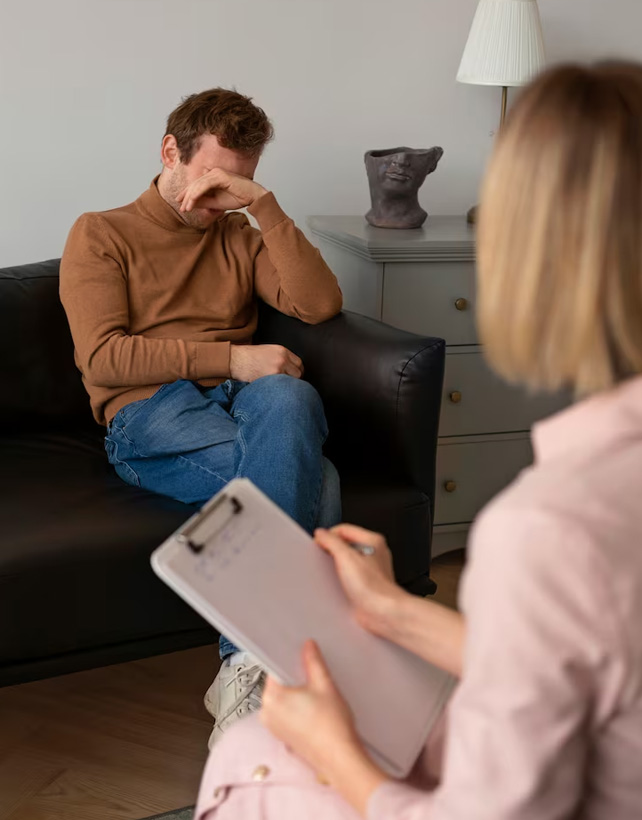
I keep sessions grounded and practical. We’ll talk, sure, but we’ll also build tools you can use in the middle of a rough moment. You’ll get options, not pressure. And I’ll go at a pace that doesn’t leave you feeling wrecked for the rest of the day.
Here are a few things I may work on with you, depending on what you need:
Getting steady again:
- Grounding skills for panic, shutdown, and spirals
- Sleep routines that don't feel like punishment
- Body cues: learning what "uh-oh" feels like sooner, not later
Making sense of triggers:
- Tracking patterns without judging yourself
- Building a plan for places or situations you've been avoiding
- Learning how your brain protects you, even when it's annoying now
Rebuilding trust in yourself:
- Practicing boundaries without the shame hangover
- Handling guilt, anger, and grief that got stuck
- Finding your words again when you freeze

- Barbara Bradford
Your Sessions Can Be In-Person Or Online
Who I Support
I also work with:
- LGBTQ+ clients who want affirming care that doesn't require them to educate their therapist
- Neurodivergent adults who need therapy that respects how their brain works
- People dealing with anxiety, panic, burnout, and mood concerns alongside trauma
- Barbara Bradford
Why Choose Me
- Barbara Bradford
FAQS
PTSD usually includes trauma exposure plus symptoms like re-experiencing, avoidance, mood changes, and feeling on edge for over a month. If it's disrupting sleep, relationships, or work, it's worth assessing.
In the first session, we talk through what's been happening, what feels hardest day-to-day, and what you want to change. You'll leave with at least one coping tool you can use immediately.
I use trauma-informed, evidence-based approaches that focus on nervous system regulation, coping skills, and meaning-making. The exact method depends on your symptoms, goals, and what feels manageable.
Yes, for many people it does. Telehealth can reduce avoidance barriers and help you practice skills in your real environment. We'll also create a plan for grounding and privacy during sessions.
A program usually means higher-frequency care, often multiple sessions per week, sometimes with groups. Weekly therapy is slower-paced and flexible. If you need a program, I'll help you plan the next steps.